
Building on Hillside Lots in Saratoga and Los Gatos: What Every Homeowner Should Know
Building a custom home, addition, or Accessory Dwelling Unit (ADU) on a hillside property offers incredible opportunities—but it also presents unique challenges that require thoughtful planning and experienced execution. Throughout Saratoga and Los Gatos, many of the area's most desirable homes are located on sloped lots, offering privacy, beautiful views, and larger parcels. However, these projects often involve additional engineering, grading, drainage, and permitting considerations that make selecting the right builder especially important.
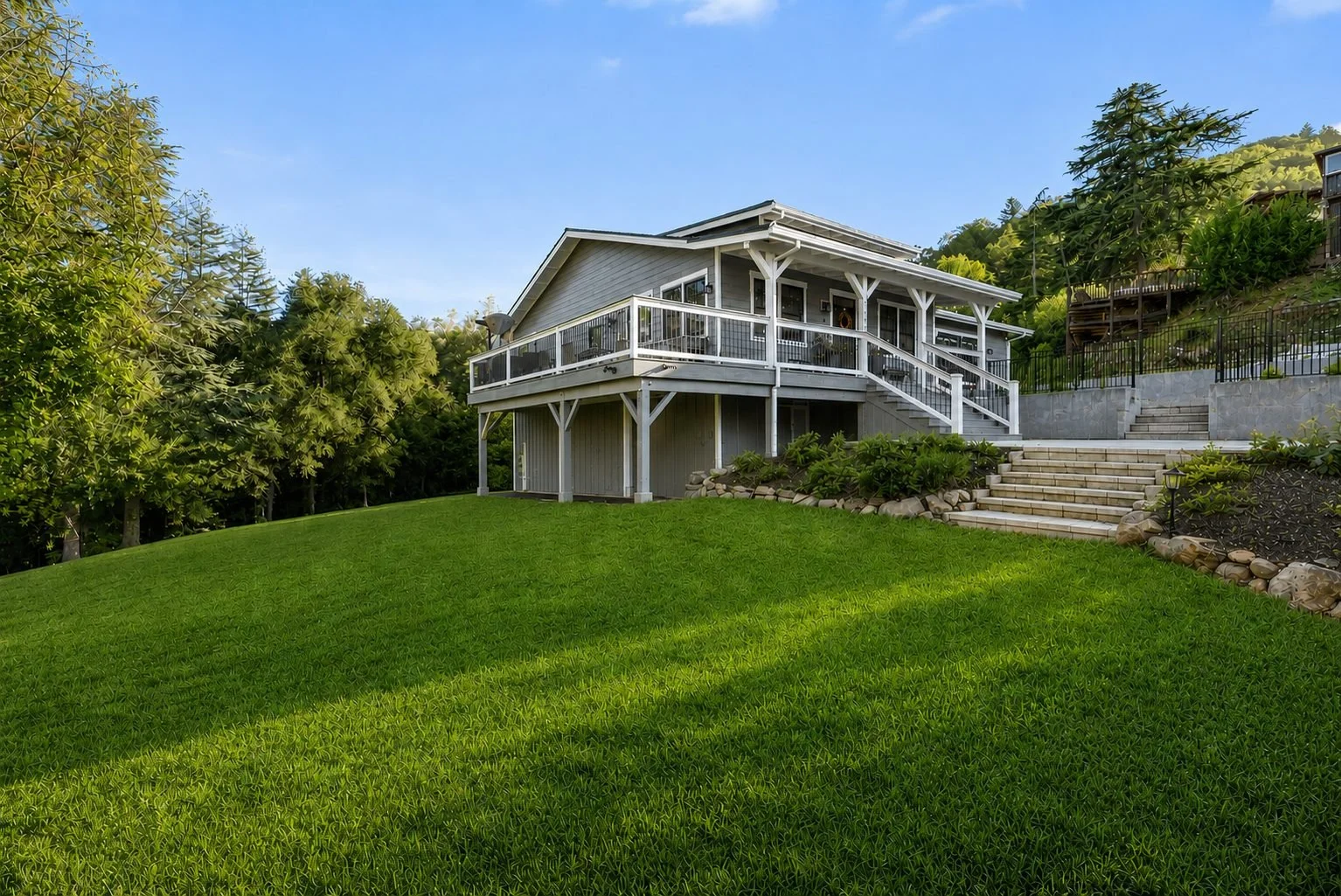
At Bridgford Construction, we've worked with homeowners throughout Santa Clara County on custom home, home addition, and ADU projects that require thoughtful planning and expert craftsmanship. Whether you're planning a new home, expanding your existing residence, or adding an ADU, understanding the unique aspects of hillside construction can help your project begin on the right foundation.
Why Hillside Properties Are So Desirable
Some of the Bay Area's most sought-after neighborhoods are built into the hills surrounding Saratoga and Los Gatos. These properties often provide:
Expansive valley or mountain views
Greater privacy from neighboring homes
Larger lot sizes
Mature trees and natural landscapes
Unique architectural opportunities
While these features create exceptional living environments, they also require construction methods that differ significantly from building on flat lots.
Every Hillside Lot Is Different
Before construction begins, many homeowners benefit from a professional site evaluation and preliminary design consultation. No two hillside properties are exactly alike. Before construction begins, it's important to understand how the site's natural conditions may influence the design and building process.
Factors commonly evaluated include:
Slope and elevation changes
Soil conditions
Existing retaining walls
Drainage patterns
Access for equipment and materials
Tree preservation
Utility locations
Fire safety requirements
A comprehensive site evaluation early in the design process helps identify potential challenges before they become costly surprises during construction.
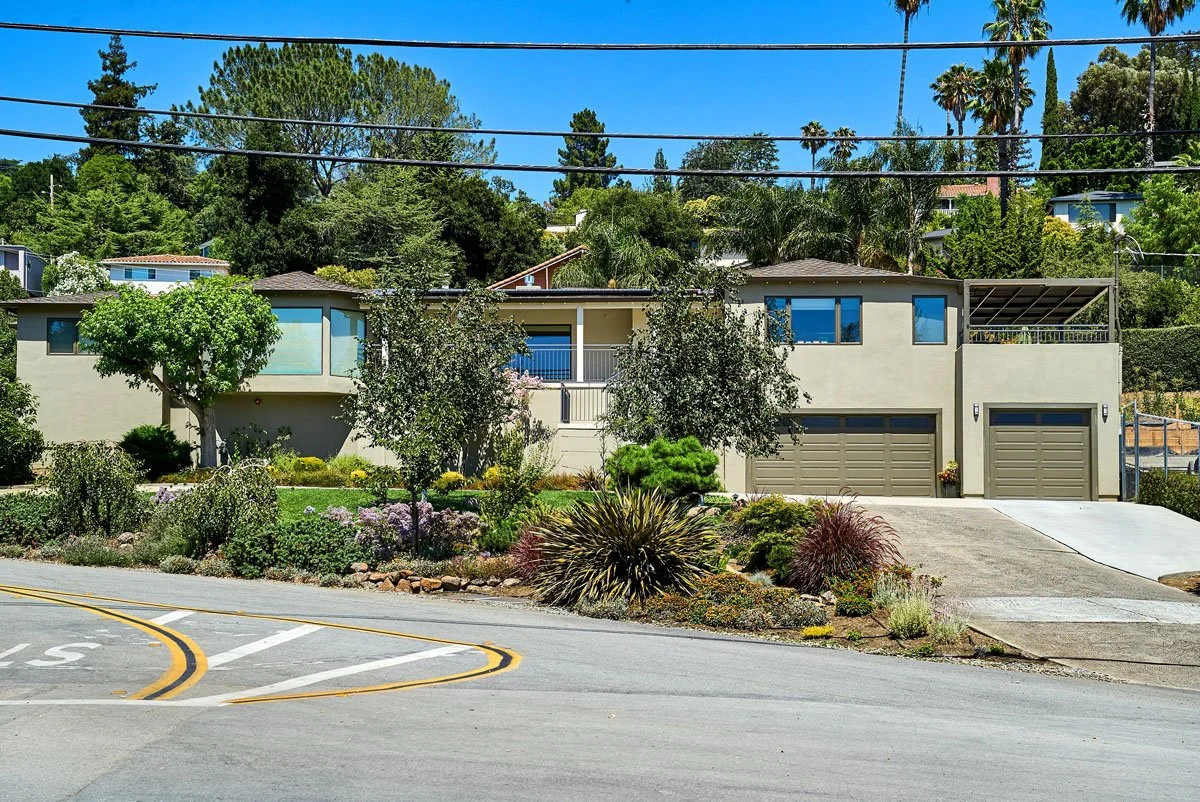
Engineering Plays a Critical Role
One of the biggest differences between hillside and level-lot construction is the amount of structural engineering involved.
Depending on the site, a project may require:
Geotechnical (soil) investigations
Specialized foundation systems
Engineered retaining walls
Structural reinforcement
Stormwater management
Slope stabilization measures
These systems work together to provide long-term performance while protecting both the home and the surrounding property.
Managing Water Is Essential
Proper drainage is one of the most important aspects of hillside construction.
Without effective water management, runoff can contribute to erosion, foundation movement, and damage over time. A well-designed drainage plan typically addresses:
Surface water runoff
Roof drainage
Subsurface drainage
Retaining wall drainage
Site grading
Erosion control
Drainage planning becomes even more important when a project includes a home addition or detached accessory structure. Investing in these systems during construction helps protect your home for years to come.
Designing for the Site
One of the greatest advantages of a hillside property is the opportunity to create a home that embraces the landscape rather than working against it.
Thoughtful design may include:
Walk-out lower levels
Multi-level floor plans
Large windows to capture views
Covered outdoor living spaces
Terraced landscaping
Natural transitions between indoor and outdoor areas
The best hillside homes feel as though they belong on the property rather than simply being placed on it.
Understanding the Permitting Process
Building on a hillside lot often involves additional review compared to construction on level ground. Depending on your property's location and the scope of work, plans may require evaluation for grading, drainage, structural engineering, environmental considerations, and other site-specific requirements.
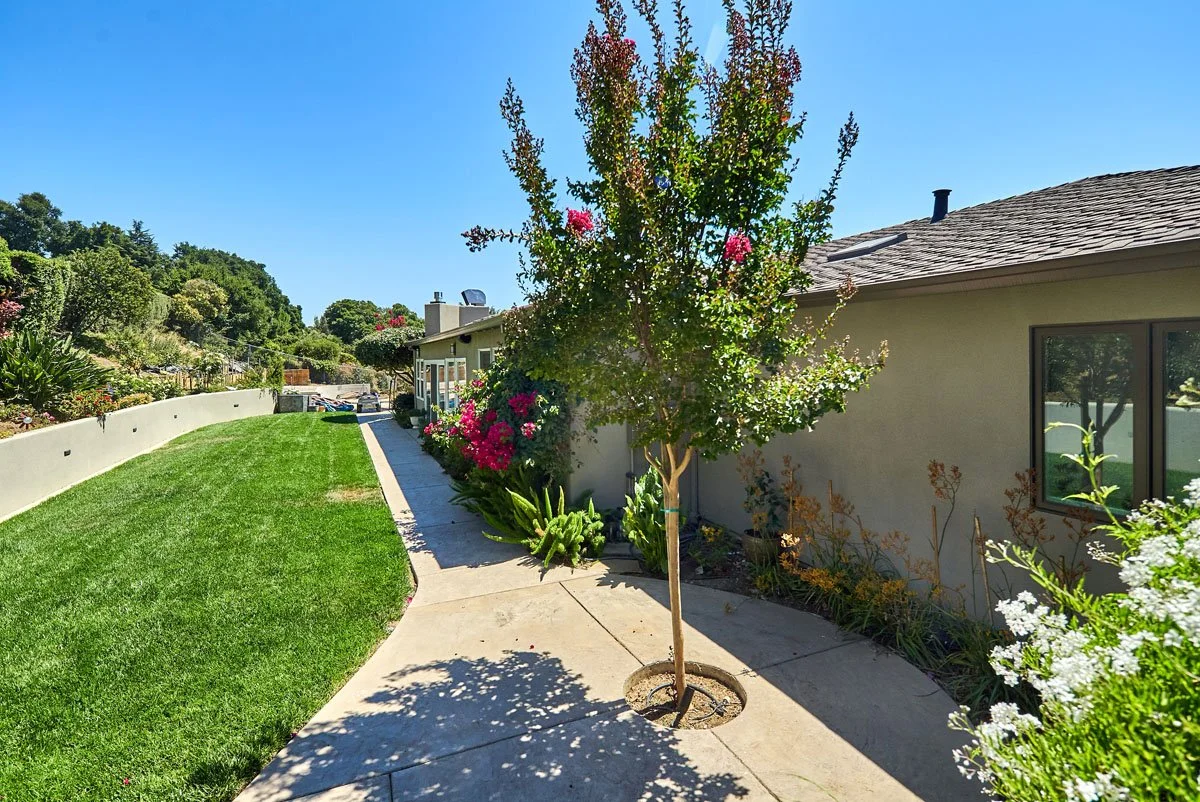
Beginning with a well-prepared design and construction team can help streamline the approval process and reduce delays.
Choosing a Builder with Hillside Experience
Hillside construction demands careful coordination between architects, engineers, consultants, subcontractors, and local agencies.
An experienced builder understands how to:
Sequence construction efficiently
Coordinate specialized trades
Protect the existing property during construction
Manage challenging site logistics
Maintain quality while adapting to changing site conditions
The right team helps ensure that your investment is built to perform as beautifully as it looks.

Why Homeowners in Saratoga and Los Gatos Choose Bridgford Construction
Every home should reflect the character of its owners and the unique qualities of the property it occupies. At Bridgford Construction, we believe successful hillside projects begin with careful planning, open communication, and exceptional craftsmanship.
Whether you're building a custom home, remodeling an existing residence, adding living space, or constructing an ADU, our team works closely with homeowners throughout Saratoga, Los Gatos, and the surrounding communities to bring complex projects to life with confidence and attention to detail.
If you're considering building on a hillside property, we'd be happy to discuss your goals, evaluate your site, and help you understand what's possible.
Ready to Build on Your Hillside Property?
Every hillside lot offers unique possibilities. Contact Bridgford Construction to schedule a consultation and learn how experienced planning and quality construction can help transform your property into a home designed for generations to enjoy.