
10 Mistakes Homeowners Make Before Starting a Remodel

A major home remodel is exciting, but many of the decisions that determine whether a project goes smoothly happen long before construction begins.
We’ve seen homeowners spend months developing plans only to discover that the project exceeds their budget, requires unexpected structural work, or needs significant redesign before it can be permitted and built.
If you’re planning a remodel in Los Gatos, Saratoga, Willow Glen, or elsewhere in the South Bay, avoiding these common mistakes can save considerable time, money, and frustration.
1. Designing Before Establishing a Realistic Budget
One of the most common mistakes is beginning architectural design without first establishing a realistic construction budget.
It’s easy to create a wish list and develop beautiful plans. The problem comes when those plans are eventually priced and the construction cost is significantly higher than expected.
Before design progresses too far, establish a preliminary budget that considers the size and complexity of the project, expected level of finishes, structural requirements, site conditions, and current construction costs. Homeowners planning a project in Los Gatos can also read our guide to the cost to remodel a home in Los Gatos for a closer look at the factors that influence remodeling costs.
A contractor involved early in the process can provide valuable cost feedback while there is still time to adjust the design.
2. Waiting Too Long to Involve a Builder
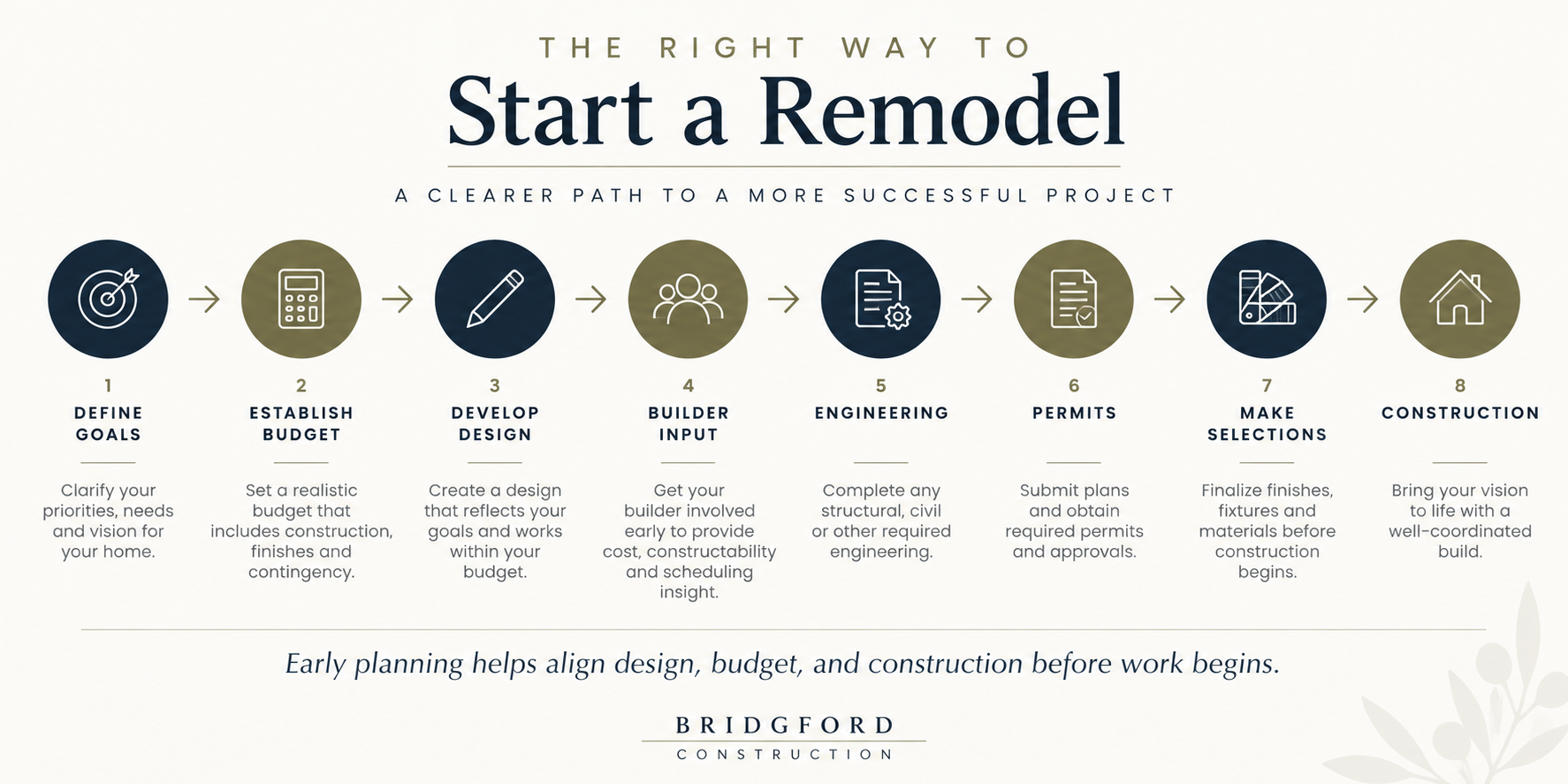
Many homeowners believe the traditional sequence is simple: hire an architect, complete the plans, obtain permits, and then ask contractors to bid the project.
That approach can work, but it can also create problems.
Architects are focused primarily on design, planning, and code compliance. Contractors understand how those design decisions translate into actual construction methods, scheduling, material availability, and cost.
Bringing a qualified design-build team into the process early allows design and construction considerations to develop together.3. Underestimating the Cost of the Finishes
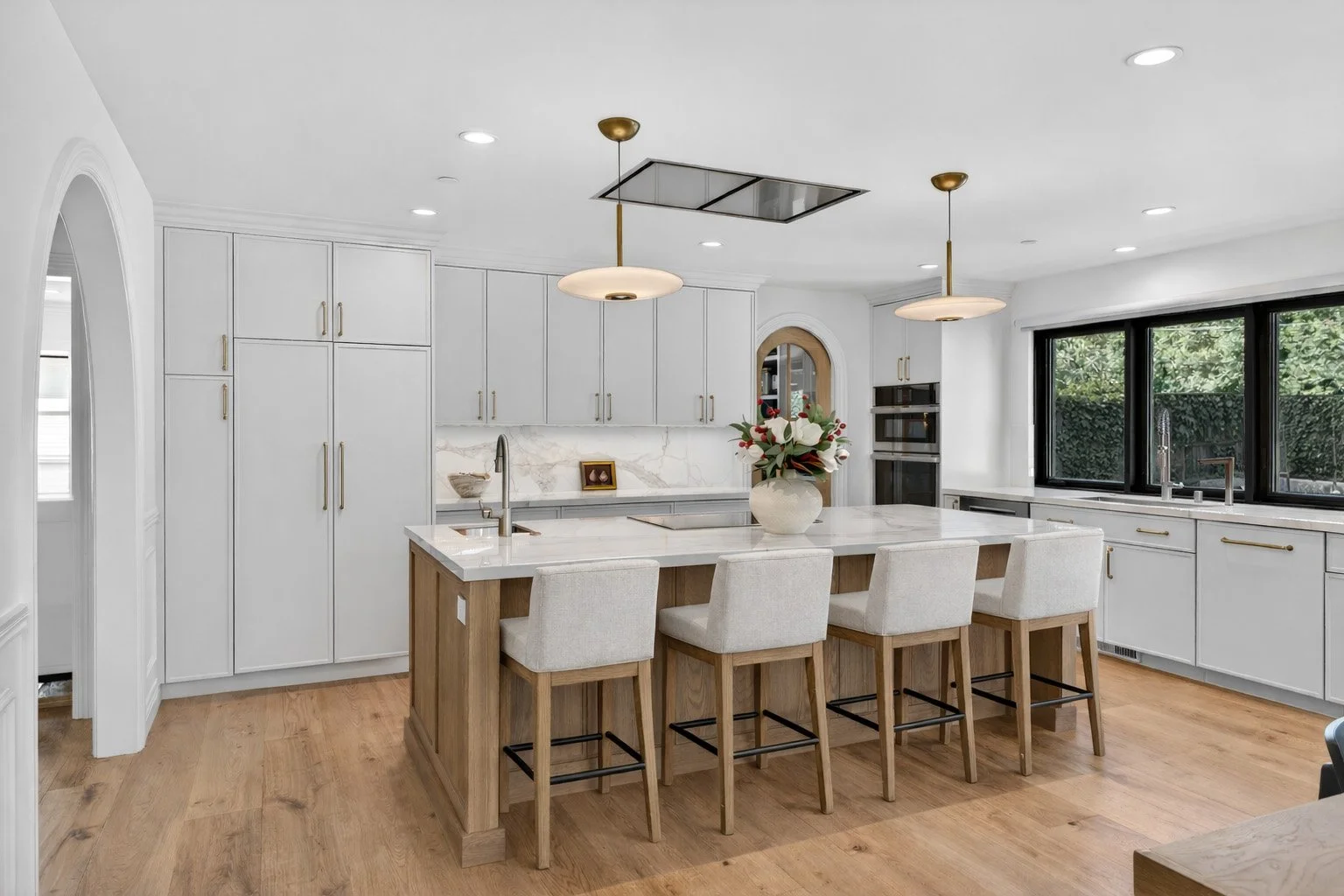
Cabinetry, appliances, plumbing fixtures, lighting, flooring, countertops, windows, doors, and finish carpentry can represent a significant portion of a remodeling budget.
Small upgrades multiplied throughout an entire house can quickly become substantial.
Instead of relying heavily on generic allowances, identify the level of finishes you expect early in the process. A $20,000 appliance package and a $60,000 appliance package may both be appropriate—but they produce very different project budgets.
3. Underestimating the Cost of the Finishes
Cabinetry, appliances, plumbing fixtures, lighting, flooring, countertops, windows, doors, and finish carpentry can represent a significant portion of a remodeling budget.
Small upgrades multiplied throughout an entire house can quickly become substantial.
Instead of relying heavily on generic allowances, identify the level of finishes you expect early in the process. A $20,000 appliance package and a $60,000 appliance package may both be appropriate—but they produce very different project budgets.
4. Not Planning for Unexpected Conditions
Remodeling an existing home is different from building a new house.
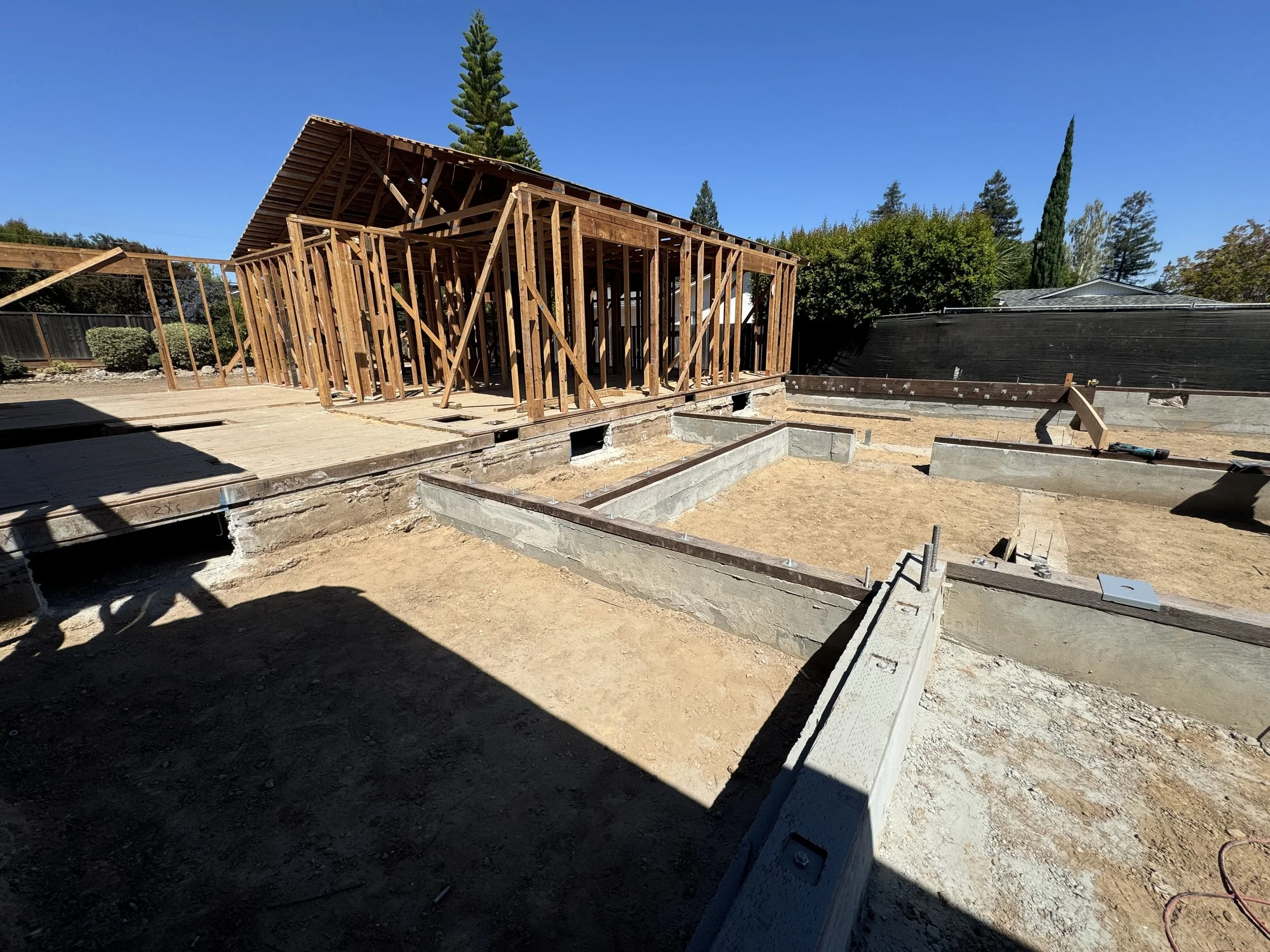
Once walls and floors are opened, previously hidden conditions may become visible. Older homes can contain outdated electrical systems, deteriorated plumbing, inadequate foundations, structural modifications from previous remodels, water damage, or framing that does not match the original plans.
A reasonable contingency should be included in the budget before construction begins.
The older and more complicated the house, the more important that contingency becomes.
5. Assuming the Permit Process Will Be Quick
Permitting can have a major impact on a project's schedule, particularly for larger additions and whole-home remodels.
Planning requirements, structural engineering, energy calculations, fire requirements, utility coordination, and multiple rounds of plan-check comments can all affect the timeline.
Cities throughout Santa Clara County also have different requirements and review processes.
Understanding those requirements early helps establish a more realistic project schedule and reduces surprises later.
6. Making Major Decisions During Construction
Construction moves quickly once framing and rough mechanical work begin.
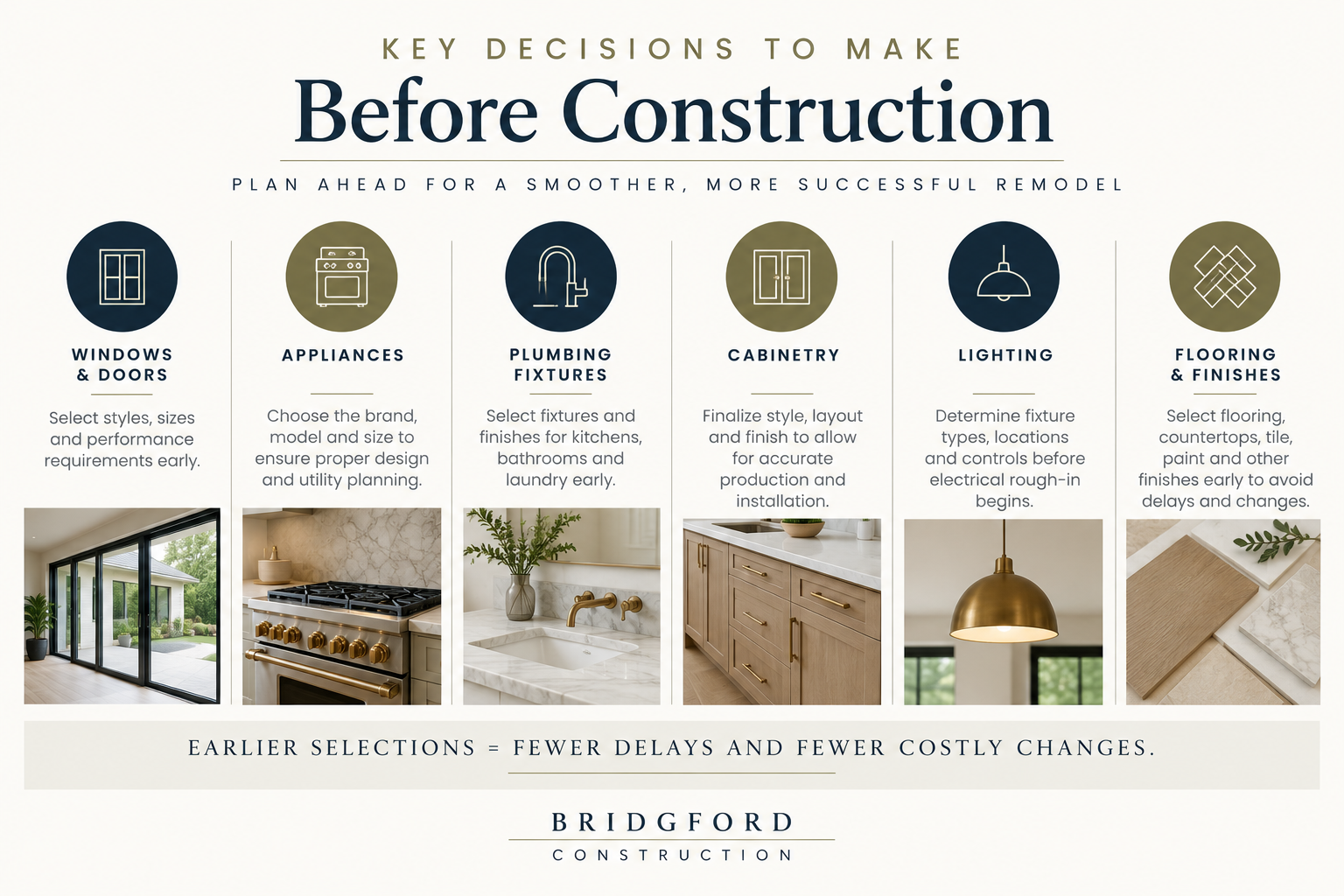
Waiting until construction is underway to choose windows, appliances, plumbing fixtures, cabinetry, lighting, or flooring can delay the project and sometimes require expensive changes.
Whenever possible, major design and material decisions should be made before construction begins.
The more decisions that are completed during preconstruction, the easier it is for the contractor to coordinate trades, order materials, and maintain the schedule.
7. Choosing a Contractor Based Only on the Lowest Price
Comparing contractor proposals can be difficult because they may not include the same scope of work.
One proposal might include detailed allowances, site protection, project supervision, cleanup, and specific finish levels while another leaves many of those items undefined.
A lower initial number does not necessarily mean a lower final project cost.
Look carefully at what is included, what is excluded, the allowances being used, and how changes will be handled during construction.
8. Not Thinking About How You Actually Live
A successful remodel should do more than make a house look better.
Before finalizing the design, think about how your household actually uses the home.
Where do groceries enter the house? Where do guests gather? Do you need a dedicated office? Is indoor-outdoor living important? Is there enough storage? Will aging parents or adult children eventually use part of the house?
These questions can influence the floor plan just as much as architectural style.

9. Changing the Scope After Construction Starts
Changes during construction are sometimes unavoidable, but frequent design changes can significantly affect both cost and schedule.
Moving a wall after framing has started may also affect electrical, plumbing, HVAC, cabinetry, flooring, structural engineering, and inspections.
Spending additional time during design and preconstruction is usually much less expensive than making the same decisions after construction begins.
10. Focusing Only on Construction Cost Instead of the Entire Project
The contractor's construction price is only one part of the overall investment.
Depending on the project, homeowners may also need to budget for architectural design, structural engineering, Title 24 documentation, interior design, permit and impact fees, surveys, temporary housing, landscaping, utility work, and furnishings.
Understanding the total project budget from the beginning gives homeowners a much clearer picture of what the remodel will actually require.
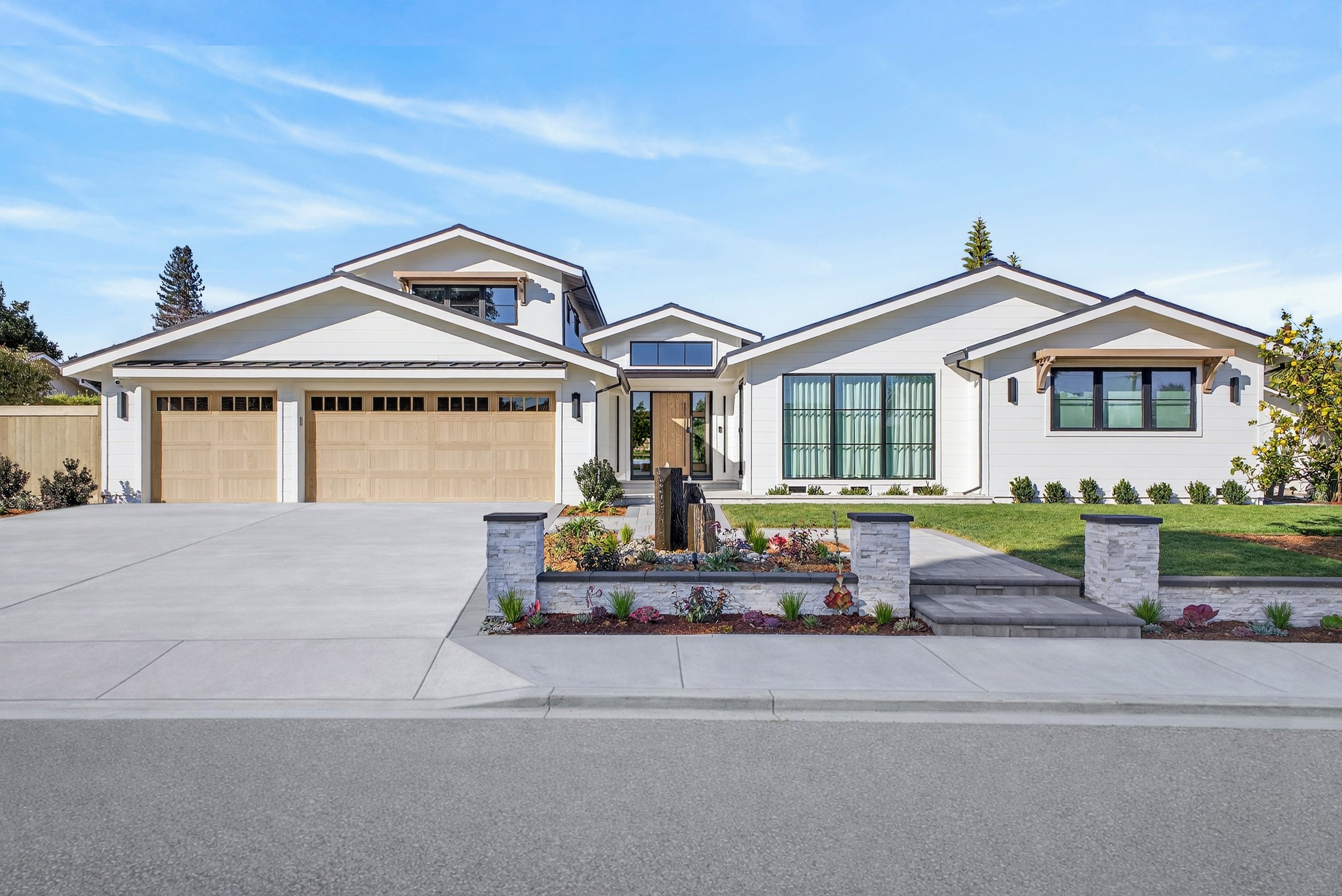
Good Remodels Start Before Construction
Some of the most successful remodeling projects are the ones where the most work happens before demolition begins.
A well-developed design, realistic budget, defined finish selections, coordinated engineering, and experienced construction input can eliminate many of the surprises that otherwise appear during construction.
At Bridgford Construction, we use a design-build approach to help homeowners coordinate design, budgeting, permitting, and construction from the early stages of a project through completion.
If you're considering a major home remodel, addition, or whole-home renovation in Los Gatos, Saratoga, Willow Glen, or the surrounding Santa Clara County area, getting the builder involved early can help determine what is realistic before too much time and money are invested in the design.
Planning a remodel?
Contact Bridgford Construction to discuss your project and the best way to approach the design, budgeting, and construction process.
Related Insights
How Much Does It Cost to Remodel a Home in Los Gatos?
A natural next read for someone who just learned that establishing a realistic budget should happen early.
Planning an ADU in Saratoga: What Homeowners Should Know
Useful for visitors considering an ADU or a remodel/addition that includes one.
Building on a Hillside Lot in Saratoga or Los Gatos
Good for homeowners whose projects involve more complicated site, engineering, or permitting considerations.
Considering a Remodel?
Talk with Bridgford Construction about your project, budget, design goals, and the best path forward.